
Seasonal Insanity
This December has been a record-breaker for gloomy weather in Vienna. Here are all the ways I failed to cope.

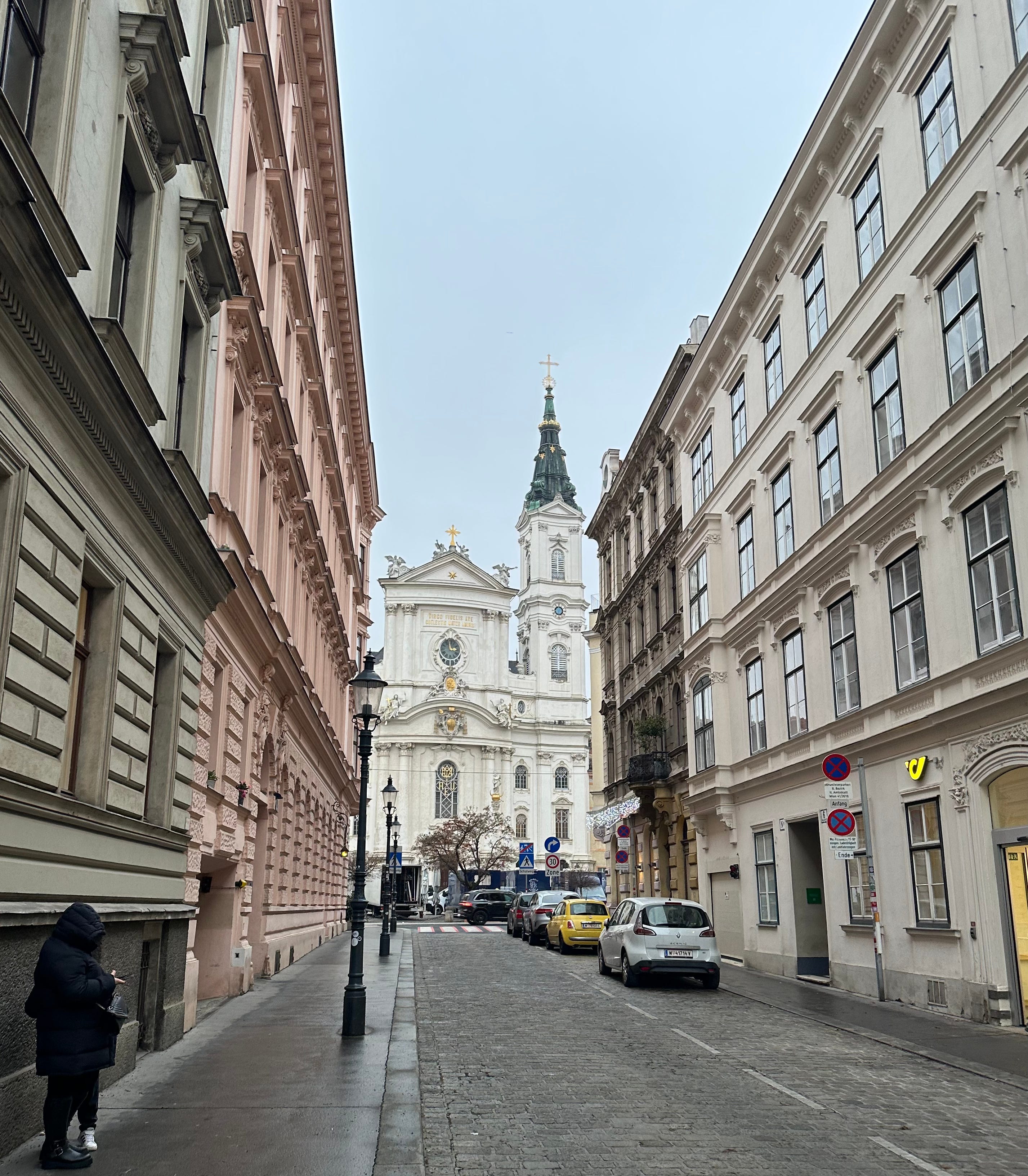
At first, I tried to game my brain chemistry. For half an hour every morning I placed a 10,000-lux SAD lamp a few inches from my face. When that didn’t work, I tried taking a walk as soon as my crusty eyes cracked open. Neither did much.
When did I break? Was it the sixteenth day of virtually no sun? The twenty-first day? I can’t remember.
But at a certain point I began to look outside at the gloom and feel a clear and present anger. Did I need to burn the fog myself, huh? Would the sun — that nightmare diva — remember her call sheet today? The app said noon but the clouds still looked like oat milk. Who should be cancelled over this?
I began to wonder how I’d survived Seattle. Honestly, it was a mystery. I’d been in a cocoon lit by Tamagotchis. I’d fallen asleep on a Bop It. The ’90s had been wildly distracting.
But now my depression was announcing itself with increasing urgency. I felt an annoyance with the speed of my elevator, a reluctance to change my underwear. Before I knew it, I was doing the thousand-yard stare while eating multiple Lindt bars, doubting every decision that had led me here.
I wanted to embrace the pageantry of the nearby sauna, with its dedicated whipper, but that would have involved interacting with other people. I briefly considered checking myself into an insane asylum, before realizing that would have also involved other people.
Everything else about this city was supposedly the best: best transport, best parks. If I could get the hang of this, I could live here forever, I told myself. And yet every day I failed.
I was told the “inversion layer” was trapping the melancholy and spreading it all around. All you needed to do, I was told, was take a train to a mountain, let the sun hit the soft fuzz of your cheeks, and stare down at the poor suckers still trapped under that furry blanket.
I should have been spending my Monday working, but catching rays felt like an emergency. I was losing the strength to carry on. I took a cab with my partner to the train station, my systems shutting down. I climbed the stairs, my gait heavy.
On the train to Semmering I sat next to a highly animated lesbian couple. I wanted to scream, “Does it get better?!” but their hands were too close to me, so I retreated to a different seat beside a group of teens laughing showily. I wanted to kill them.
As the train slithered away from the city, I thought I saw a bit of sunlight gleaming on someone’s purse and considered lowering my face down to her bag and prying my eyes wide open with my own hands like that guy in A Clockwork Orange. Then I realized for the thousandth time that I’d lost my mind.
I racked my brain for past weather triumphs. I had survived something like this in Seattle — a winter with zero sun. I distinctly remember being driven to school along a dark lake and thinking, I guess this is it; the world is just dark now.
One night, my mom was sitting at the dining room table, lit by a small pool of light and surrounded by used tissues. She was in her pajamas. When I touched her shoulder, she flinched.
I could hear the rain flying into the window and smell the feral, jungly scent of mold growing in the walls. I sat down next to her.
“We should have moved to California ages ago,” she said, sadness oozing from her pores.
A few days later, I arrived home from school to a dark home, silent except for the rain. I pressed the blinking button on our answering machine and heard a neutral NPR voice announce: “He liked to bury the bodies in shallow ditches along the side of the road. Local sex workers, mostly.”
I screamed and ran out of my house and down the block, then to a nearby café called Grateful Bread, where I bumped into my math teacher. Together we walked back to my house and I played him the voicemail.
“Well, that’s strange,” he said. He looked at me with sympathy, and I convinced myself that this his plan all along — he was about to kill me. I told him I’d be fine and that he should leave. Then I sat on the floor and held my legs, rocking slightly, as rain continued battering our roof.
When my mom arrived, I played the voicemail. Turned out, she’d tried calling me while stuck in traffic, then accidentally recorded a segment of All Things Considered about the Green River Killer being apprehended by police.
Could I have imagined this episode sparking such paranoia in a sunny locale? Perhaps, but it wouldn’t have felt that intense. The rain and darkness infused everything in Seattle with an extra layer of gloom and dread.
It had heightened my feelings of grief this December: over the life I’d left behind, the friendships I’d lost. I thought about this while watching the foggy landscape fly by. Let’s get this show on the fucking road, I muttered to myself. I was rabid for sun, basically snarling. I wanted the sun of my former home in Los Angeles, and I wanted it now.
In my imagination, the top of Semmering looked like an alpine village with a freezing river, a hairy cow, a meadow filled with daisies. I would be handed a pair of lederhosen and invited to join a dance that involved knocking boots together in a ring-like formation. I would be Aryanized but also warmer, alive to the sounds of the Ricola man expelling his droplets into an Alpenhorn.
People on the train were unwrapping their store-bought sandwiches with an eye-glazed slowness, savoring every crinkle. I retreated to the Alpine-themed bathroom and was not even fazed when the train juttered and a stream of hot piss flew down my leg.
How did people live anywhere? I always thought of that Alaskan apartment building that was also an entire town. Somehow, they had found a way. So what was wrong with me?
An hour later we arrived at a train station drilled into a mountain ridge — some past engineering triumph. Wispy clouds flung themselves across the ridge, falling down toward the suckers in Vienna. It was light, bright, and freezing.
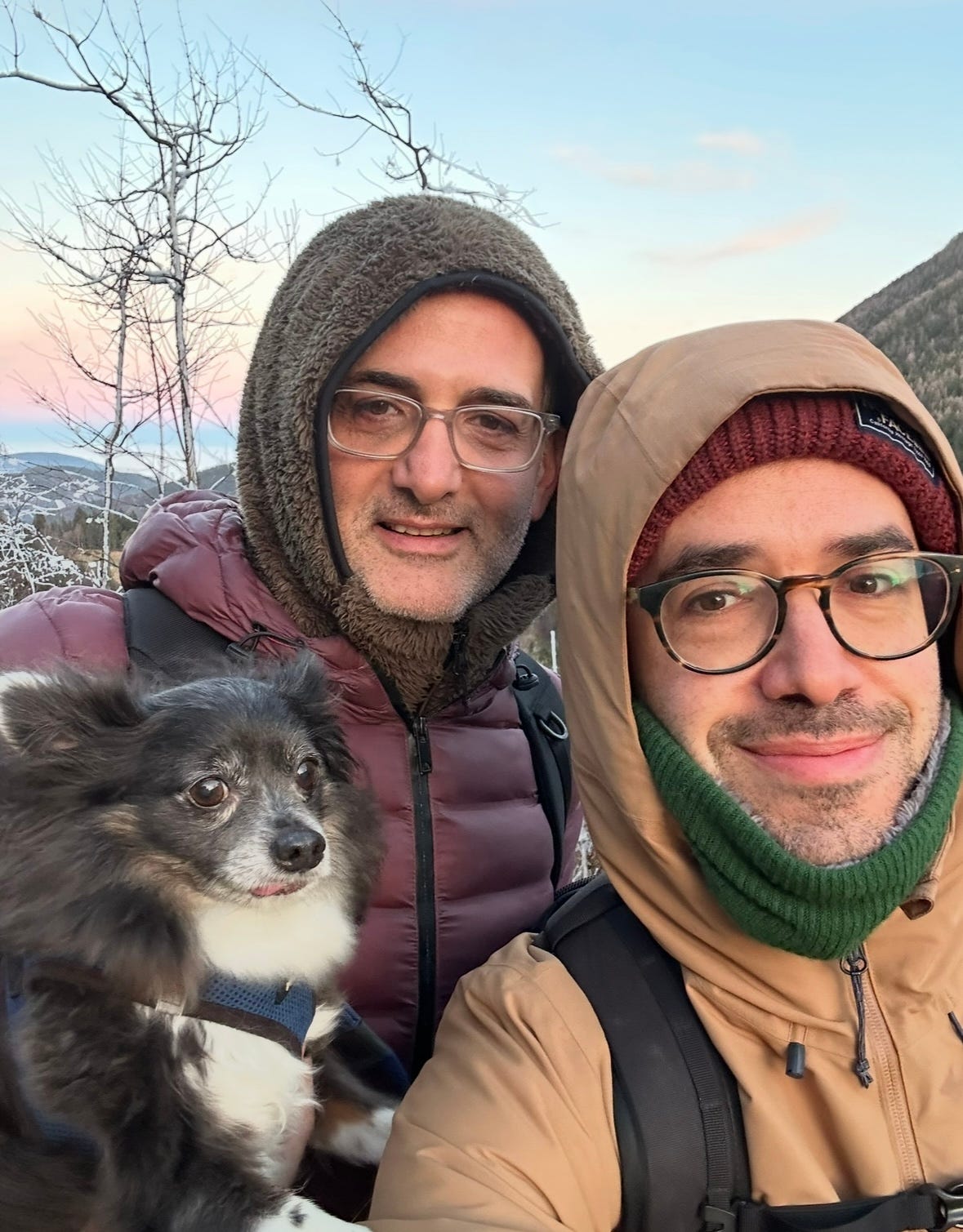
But above the mountain ridge, I could see it: some mysterious orb hitherto absent from my life. It was as if Aruba were available up a staircase. But I was weak, devoid of vitamin D, with icicles for bones. I was a haggard beast with dry, mottled hair and a pair of rotten cucumbers for lips.
When we reached the restaurant above the ridge, I sat like a plant next to the window and closed my eyes, watching my lids grow fiery red. For a few measly minutes, it was as if I had never left California.